

Your Healthier 2026: Intentional Goals and Thoughtful Cannabis Use
Alan Ao, PharmD
December 29, 2025


The flip of the calendar does not require a full personality transplant. The most sustainable New Year’s resolutions are not “new year, new you,” but “new year, kinder you”—with small, realistic steps that actually fit your life. Thoughtful, intentional cannabis use can be one of the tools that supports your health goals, as long as it complements a bigger wellness plan instead of replacing it.
Rethinking New Year’s resolutions
Most people abandon resolutions by February because they try to overhaul everything at once.
A better approach is to pick a few health goals you can describe in one sentence and achieve one step at a time, like “take a 10-minute walk after dinner” or “turn screens off 30 minutes before bed.”
Instead of focusing on restriction—no sugar, no fun, no “bad” habits—focus on what you want more of: more energy, more calm, more pain-free movement, more genuinely restful sleep.
That mindset makes it easier to see where cannabis products might gently support your routine, rather than feeling like another all‑or‑nothing rule.
How to set realistic health goals
Health goals that stick tend to be specific, measurable, and small enough that your tired, Tuesday‑night self will still say yes.
Common advice from health systems is to keep it simple, start small, and choose what genuinely matters to you—then build up once the first step feels normal.
Try framing resolutions like this:
-
“I want to move more, so I will walk for 10 minutes after lunch on weekdays.”
-
“I want to sleep better, so I will be in bed with the lights off by 11:00 p.m. on weeknights.”
Once the behavior is in place, you can layer in supportive tools—like a low‑dose edible in your wind‑down routine or a tincture after exercise—without asking your body to change everything overnight.
Using cannabis as a tool, not an outlet
A lot of people reach for cannabis to numb out from stress, pain, or anxiety, which can slide into using it as the only coping strategy.
Using cannabis as a tool means pairing it with clear intentions and other healthy habits, not expecting it to fix everything on its own.
A few intention examples:
-
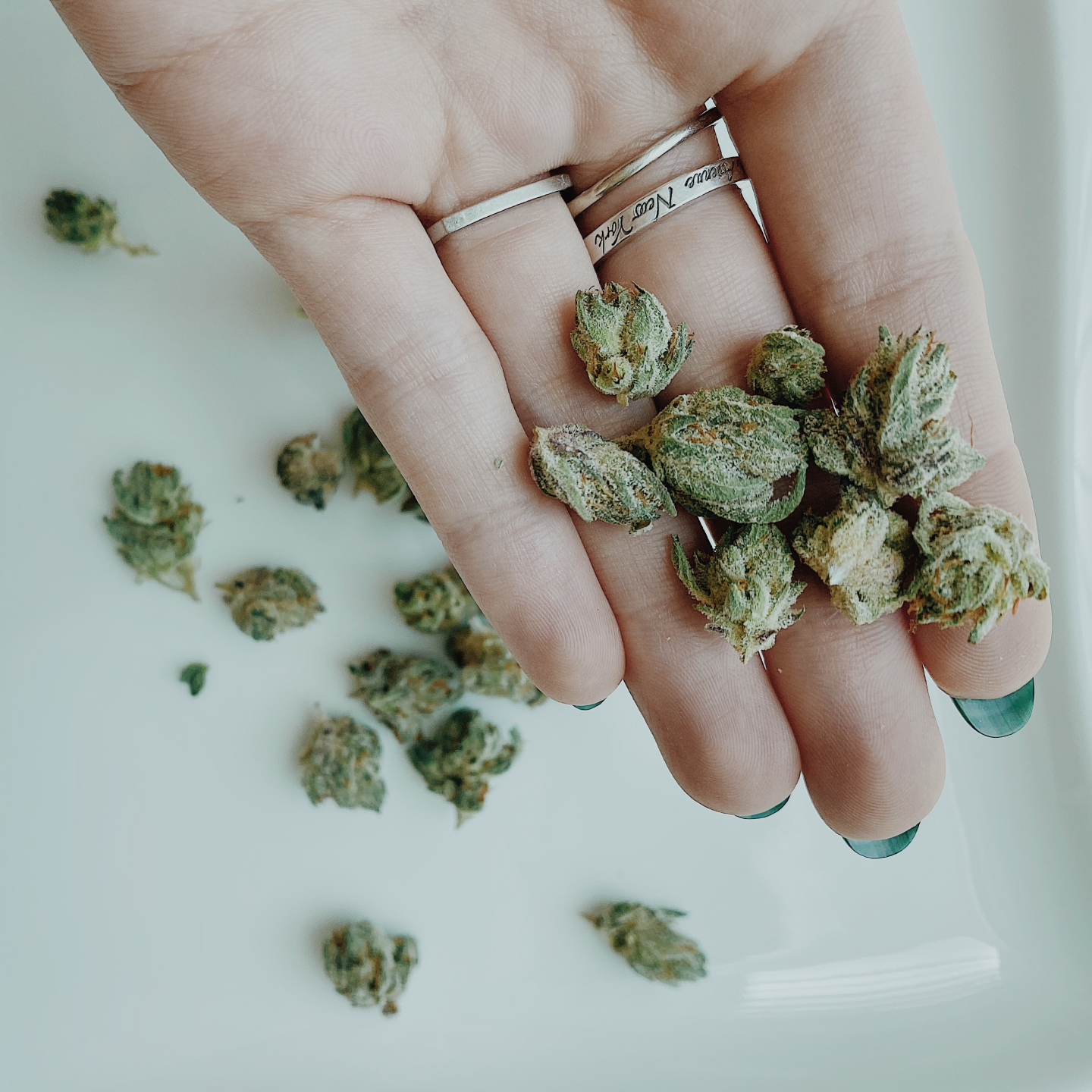
“I am using this medium-potency THC flower to help me relax enough to journal, not to avoid my feelings.”
-
“I am taking this low‑dose edible so I can fall asleep more easily after doing my bedtime routine, not to scroll high until 2 a.m.”
Mindful guidelines like pacing use, taking tolerance breaks, and planning non‑cannabis ways to manage stress (walks, breathing exercises, stretching, therapy) help keep cannabis in the “helpful tool” lane rather than a crutch.
Health‑focused resolutions and product ideas
Everyone’s body and goals are different, but there are common health themes where cannabis can play a supporting role when used thoughtfully.
-
Stress management & mental reset
Many people set resolutions around reducing stress and feeling more emotionally balanced.
Products with balanced THC:CBD ratios (like full-spectrum gummies) can help promote calm without overwhelming intoxication, especially when combined with habits like breathwork, therapy, or gentle movement. -
Better sleep, not perfect sleep
Instead of “I’ll sleep 8 hours every night,” aim for “I’ll create a wind‑down routine 4 nights a week.”
For some adults, low‑dose THC, or CBN‑containing edibles in the evening can support falling and staying asleep when they are layered onto good sleep hygiene (no late caffeine, dim lights, consistent bedtimes). -
Moving more and recovering better
Resolutions around fitness succeed more often when the goals are modest and enjoyable.
Some active people use uplifting sativa‑leaning flower or vapes for pre‑workout motivation, and CBD topicals or tinctures post‑workout for perceived relief of soreness and inflammation, alongside stretching and hydration. -
Make mocktails with THC part of your routine
If your goal is to cut back on alcohol but don’t want to miss out on the social aspect of your routine during a cocktail party with friends, try adding in a Jersey Clouds tincture spray into your mocktail for a little bit extra oomph.In each of these areas, the key is small, intentional use, paired with other supportive behaviors and regular check‑ins with how your body and mind are actually responding.
New Year’s resolutions are about building a life that feels more like yours; that includes getting extra help when you need it, not pushing through alone.
Have a question?
We're here to cultivate and nourish your personal relationship with this plant.
Have a Question?
We’re here to cultivate and nourish your personal relationship with this plant.